





Egyptian Swiss Pasta and Milling Launches Strategy to Reduce Carbon Footprint and Enhance Product Competitiveness


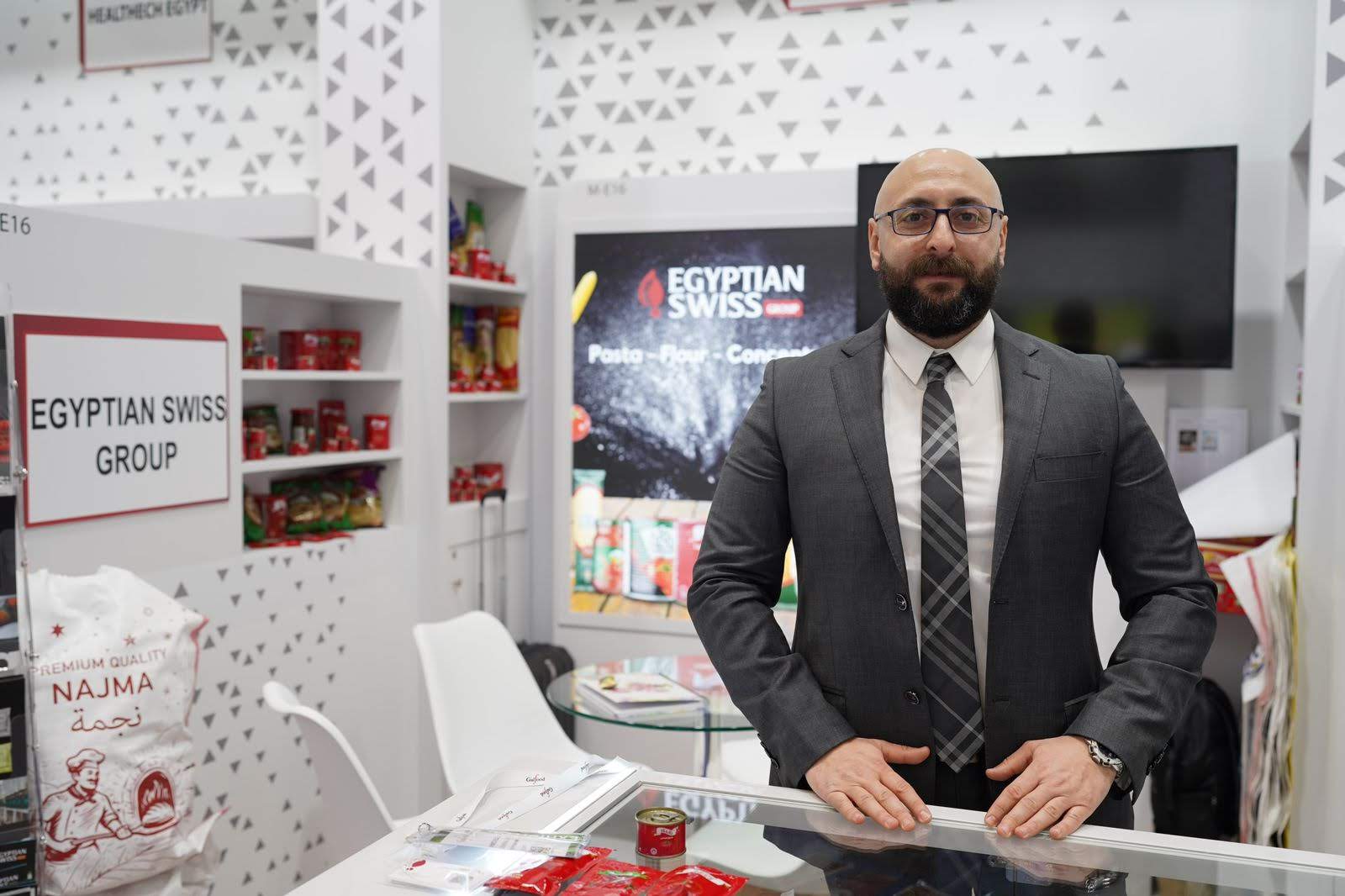
The Egyptian Swiss Pasta, Milling & Concentrates Group announced an acceleration of its transition toward sustainability, unveiling an integrated six-pillar strategy aimed at reducing its carbon footprint and lowering emissions over a five-year period.

The move comes as part of the group’s commitment to international environmental standards and its efforts to enhance the competitiveness of its products and expand exports in global markets—particularly in Europe, where environmental compliance has become a key requirement for market entry.
Engineer Ahmed El-Sebaie, General Manager of the Egyptian Swiss Group, said the company has already begun preparing detailed carbon footprint reports covering all its operations, including milling, pasta production, and concentrates, with the aim of accurately measuring emissions and developing practical plans to reduce them in the coming years.
Carbon footprint reports
El-Sebaie explained that these reports have been prepared in accordance with international standards and have been reviewed and certified by specialized entities to ensure compliance with global regulatory frameworks, strengthening the group’s readiness to meet new environmental requirements.
EU carbon mechanism
He added that the group is closely monitoring developments related to the European Carbon Border Adjustment Mechanism (CBAM), which requires companies to disclose emissions and comply with specific thresholds. Although the food industry has not yet been assigned defined carbon limits, he confirmed the group’s readiness to comply once the new rules are announced in 2031.
Emission reduction plans
El-Sebaie noted that the group has developed a five-year plan to reduce emissions, including improving energy efficiency and upgrading production lines to reduce both consumption and emissions.
Competitive advantage
He pointed out that companies that have started early in adopting sustainability standards are in a better position in terms of product pricing and customer confidence compared to others.
Mahmoud Mostafa, Quality and Food Safety Manager at the group, said that competition in global markets is no longer based solely on product quality and operational efficiency, but is increasingly linked to environmental responsibility, emissions reduction, and the efficient use of resources.
Mostafa revealed that the group has begun preparing baseline-year carbon footprint reports for all its factories to measure emissions resulting from various operational activities, including electricity and fuel consumption, transportation, industrial processes, and supporting services, using internationally recognized methodologies to ensure data accuracy.
He added that determining the baseline year represents the starting point for improvement, as it provides a clear picture of the current situation and helps identify the most impactful emission sources, paving the way for actionable plans to achieve tangible results.
Clear emissions reduction roadmap
The group confirmed that the next phase will include launching projects to reduce emissions across production sites.
The strategy includes six main pillars for emissions reduction:
Improving energy efficiency
By reviewing existing operational systems, upgrading high-consumption equipment, and enhancing the efficiency of production lines, leading to reduced electricity and thermal energy consumption per ton of product.
Expanding the use of clean energy
The group is studying initiatives to use renewable energy sources, particularly solar power, to cover part of its factories’ energy needs and reduce reliance on conventional sources.
Enhancing steam and heating systems
The group is working on upgrading boiler systems, steam networks, and thermal insulation in its pasta, milling, and concentrates plants, reducing losses and improving efficiency.
Developing logistics and transportation systems
This includes improving shipment planning, reducing unnecessary trips, and increasing the efficiency of raw material and product movement, contributing to lower fuel-related emissions.
Reducing operational waste
By improving production processes and reducing raw material losses, as well as minimizing energy and water waste, which helps lower emissions and improve operational efficiency.
Supporting recycling and waste utilization
The group aims to maximize the use of recyclable waste and implement more sustainable solutions in industrial waste management and packaging.
Sustainability creates added value
Mostafa stated that reducing emissions represents an opportunity to create added value by lowering operational costs, improving resource efficiency, and strengthening trust among customers and partners.
He added: “These steps support the group’s ability to expand exports and keep pace with international requirements related to environmental disclosure and low-carbon supply chains.
Future vision
The group affirmed that what has started today represents a long-term path toward a more efficient and responsible food industry, and that sustainability has become an integral part of its growth and development plans.

